This blog doesn't usually follow counterfeiting in collectibles, but we'll make an exception for this story.
Punk rock. If any music genre could be more attuned to the misguided romantic notions that counterfeiting is sticking it to the Establishment, punk rock would be it. So a richly ironic story has emerged where former Sex Pistols manager Malcolm McLaren is teaming with British art kingpin Damien Hirst to battle counterfeiting.
The story occurs in England, where Hirst bought £80,000 worth of original Sex Pistols clothing allegedly handmade by McLaren in the late 70's. But then McLaren spotted the clothing, and knew Hirst had been had.
Hirst purchased the punk clothing from Simon Easton, proprietor of Punk Pistol. In a twist, McLaren had agreed to write the introduction to Easton's forthcoming book, and is now battling in court to remove the introduction.
Tuesday, August 5, 2008


Friday, August 1, 2008
Real Time Rolex
From DJB Watches, a particularly good tutorial on how to distinguish between real and fake Rolex watches.
Laying a Trap
Frustrated by light sentences for counterfeiters who scamper back into the dark forest after wrist slaps for counterfeiting, Louis Vuitton laid a trap in Canada and netted itself some big game.
Counterfeiting law in Canada resembles much of criminal law - light sentences for first-time offenders, with heavier sentences imposed for those who show a willful disregard for the law. Louis Vuitton took advantage of this escalating punishment system and human nature. According to this account found on IPBlog.ca, Louis Vuitton entered a settlement agreement with several proprietors of counterfeit goods in Vancouver in 2006. The amounts of the settlement barely amounted to wrist slaps - fines of $6,000 against each of three defendants (two corporations and one individual). After the settlement, though, Louis Vuitton kept paying attention to the defendants, who all reverted to their old counterfeiting ways. Armed with this previous settlement agreement, Louis Vuitton struck again, and obtained judgments nearing $1 million total. And, the judge allowed a "piercing of the corporate veil", enabling Louis Vuitton to hold the directors of these corporations personally liable for these bad corporate acts. Ouch.
The good news for the defendants? At least the presiding judge (the Honourable Madam Justice Mary Ellen Boyd) refrained from granting Louis Vuitton findings of contempt of court against the defendants. Which means that, if they decide to go to drink from that well again, the punishment could be worse.
UPDATED 08/08/08: More on this case here. The one defendant who did show up at trial left during a lunch break on the first day of trial and did not return.
Counterfeiting law in Canada resembles much of criminal law - light sentences for first-time offenders, with heavier sentences imposed for those who show a willful disregard for the law. Louis Vuitton took advantage of this escalating punishment system and human nature. According to this account found on IPBlog.ca, Louis Vuitton entered a settlement agreement with several proprietors of counterfeit goods in Vancouver in 2006. The amounts of the settlement barely amounted to wrist slaps - fines of $6,000 against each of three defendants (two corporations and one individual). After the settlement, though, Louis Vuitton kept paying attention to the defendants, who all reverted to their old counterfeiting ways. Armed with this previous settlement agreement, Louis Vuitton struck again, and obtained judgments nearing $1 million total. And, the judge allowed a "piercing of the corporate veil", enabling Louis Vuitton to hold the directors of these corporations personally liable for these bad corporate acts. Ouch.
The good news for the defendants? At least the presiding judge (the Honourable Madam Justice Mary Ellen Boyd) refrained from granting Louis Vuitton findings of contempt of court against the defendants. Which means that, if they decide to go to drink from that well again, the punishment could be worse.
UPDATED 08/08/08: More on this case here. The one defendant who did show up at trial left during a lunch break on the first day of trial and did not return.
Tuesday, July 29, 2008
Blogging Shades
Per the Los Angeles Police Department, a blog entry detailing a recent capture of 43,000 counterfeit sunglasses, a bust worth a cool $8.5 million.
This blog entry by the LAPD is worth noting for reasons beyond the seized sunglasses. For one, Los Angeles is a world capital of creative intellectual property, and the blog specifically states that the Anti-Piracy unit within the LAPD is one of the few operating anywhere. Also, the entry claims that the Anti-Piracy unit has a close working relationship with the Motion Picture Association of America (MPAA) and the Recording Industry Association of America (RIAA) - both headquartered in Los Angeles. This fact is not tangential - the LAPD is responding to the specific needs of its constituents in enforcing intellectual property laws. Those constituents suffer enormous harm from counterfeiting every day, while the city endures organized crime and other side effects of counterfeiting. And while the Los Angeles market is relatively small compared to the worldwide audience for counterfeits, the LAPD nevertheless devotes five detectives and one officer in its Anti-Piracy unit full time to combat intellectual property crimes such as counterfeiting.
Good for the LAPD. Now, with intellectual property a key component in the service industry that forms the backbone to the U.S. economy, perhaps other police departments across the country and even globally can emulate what the LAPD has done and start their own dedicated enforcement efforts against counterfeiting.
This blog entry by the LAPD is worth noting for reasons beyond the seized sunglasses. For one, Los Angeles is a world capital of creative intellectual property, and the blog specifically states that the Anti-Piracy unit within the LAPD is one of the few operating anywhere. Also, the entry claims that the Anti-Piracy unit has a close working relationship with the Motion Picture Association of America (MPAA) and the Recording Industry Association of America (RIAA) - both headquartered in Los Angeles. This fact is not tangential - the LAPD is responding to the specific needs of its constituents in enforcing intellectual property laws. Those constituents suffer enormous harm from counterfeiting every day, while the city endures organized crime and other side effects of counterfeiting. And while the Los Angeles market is relatively small compared to the worldwide audience for counterfeits, the LAPD nevertheless devotes five detectives and one officer in its Anti-Piracy unit full time to combat intellectual property crimes such as counterfeiting.
Good for the LAPD. Now, with intellectual property a key component in the service industry that forms the backbone to the U.S. economy, perhaps other police departments across the country and even globally can emulate what the LAPD has done and start their own dedicated enforcement efforts against counterfeiting.
Tuesday, July 22, 2008
A Tisket, A Tasket, A Counterfeited Casket
The counterfeiters thought that their products were dead ringers for the real thing. But their products ended up bringing a lawsuit to life instead.
News out of Houston took on a macabre tone as the York Group, a Pennsylvania-based manufacturer of caskets, sought a temporary restraining order against the Wuxi Taihu Tractor Co. for sales of imitation caskets. The caskets for sale by the Chinese company mimicked the York caskets in "hardware, design lines and paintjobs." This is not the first time the York Group has tangled with this Chinese company. In 2006, the York Group brought a similar and successful suit against Wuxi Taihu Tractor Co. in which the Chinese company was ordered to stop distributing counterfeit caskets and to start putting a "Made in China" label as required by federal law for items made in China.
The article heavily quotes defendants and competitors of York in the Houston area, who disparage York's claims. Patrick Mancini, a wholesale seller of the Chinese coffins, says that he has received no complaints about the knockoff caskets from customers.
Of course, it would be difficult for many of the customers to complain.
News out of Houston took on a macabre tone as the York Group, a Pennsylvania-based manufacturer of caskets, sought a temporary restraining order against the Wuxi Taihu Tractor Co. for sales of imitation caskets. The caskets for sale by the Chinese company mimicked the York caskets in "hardware, design lines and paintjobs." This is not the first time the York Group has tangled with this Chinese company. In 2006, the York Group brought a similar and successful suit against Wuxi Taihu Tractor Co. in which the Chinese company was ordered to stop distributing counterfeit caskets and to start putting a "Made in China" label as required by federal law for items made in China.
The article heavily quotes defendants and competitors of York in the Houston area, who disparage York's claims. Patrick Mancini, a wholesale seller of the Chinese coffins, says that he has received no complaints about the knockoff caskets from customers.
Of course, it would be difficult for many of the customers to complain.
Monday, July 21, 2008
eBay to Meet with Walpole
eBay will be sitting down with British luxury goods association the Walpole Group on July 28 to hash out possible "middle ground" solutions to the problem of counterfeiting.
Friday, July 18, 2008
Pride of Ownership
A piece in today's Financial Times of London from our own Frederick Mostert, Chairman and Co-Founder of the Authentics Foundation.
Tuesday, July 15, 2008
eBay vs. Tiffany Roundup
We will continue to monitor the press for impressions and interpretations of this landmark decision, but articles can be found here, here, and here.
Declan McCullagh notes that given Amazon's success in working with large sellers, eBay's strategy would have likely been different had Tiffany filed suit today.
Mark Hamblett of New York Law Journal has a particularly comprehensive analysis here.
Martin Schwimmer at The Trademark Blog posts his first impressions here.
My first impressions – It is clear that Judge Sullivan hewed closely to current trademark law.
While Tiffany attempted to argue that eBay’s direct infringement was analogous to the liability a store would incur should a store employee sell infringing items on its premises, Judge Sullivan disagreed. Judge Sullivan noted that eBay never took possession of the items sold on its website, and never directly sold counterfeit items to Tiffany buyers.
On the issue of contributory rather than direct infringement, Sullivan rejected measures proposed by Tiffany that presume trademark infringement, including a “five or more” rule that would prescribe listings of five or more Tiffany items on eBay as presumptively infringing. He instead maintained that eBay needed specific knowledge of infringement before being required to act, not a more generalized knowledge that infringement might be occurring on any class of listings. And Judge Sullivan noted that eBay took efforts to prevent repeat infringement offenders from setting up shop on eBay’s website.
Judge Sullivan seemed uncomfortable in delving into the policy arena, even if warranted. He does, in fact, imply that Congress could make policy in this arena, noting that the current law does not allow him to weigh the relative burden or efficiencies between Tiffany or eBay for policing counterfeits in eBay’s marketplace.
On the facts, Judge Sullivan noted that while eBay earned over $4 million from fees generated from the listing of Tiffany items on its website between 2000 and 2004,
eBay’s efforts to combat counterfeiting were extensive. These efforts included eBay’s Trust and Safety Department, its Fraud Engine that uses complex models to automatically searches its website for auctions violating eBay’s Terms of Service, and eBay’s Verified Rights Owner (VeRO) program that provides a mechanism for trademark owners to flag potential infringement in auctions not yet closed.
Sullivan also noted Tiffany’s relative lack of effort in policing its trademarks on eBay. Beginning in 2003, Tiffany has used a non-dedicated motley of security personnel, paralegals and temps that amounted to less than two full-time employees per month dedicated to policing Tiffany trademarks on eBay. Judge Sullivan also cited the budget outlays made by Tiffany for enforcement of its trademarks were consumed in large part by the litigation between Tiffany and eBay.
The Bottom line: Judge Sullivan maintained current American trademark precedent by ruling that trademark owners are the parties primarily responsible for policing their own trademarks.
Declan McCullagh notes that given Amazon's success in working with large sellers, eBay's strategy would have likely been different had Tiffany filed suit today.
Mark Hamblett of New York Law Journal has a particularly comprehensive analysis here.
Martin Schwimmer at The Trademark Blog posts his first impressions here.
My first impressions – It is clear that Judge Sullivan hewed closely to current trademark law.
While Tiffany attempted to argue that eBay’s direct infringement was analogous to the liability a store would incur should a store employee sell infringing items on its premises, Judge Sullivan disagreed. Judge Sullivan noted that eBay never took possession of the items sold on its website, and never directly sold counterfeit items to Tiffany buyers.
On the issue of contributory rather than direct infringement, Sullivan rejected measures proposed by Tiffany that presume trademark infringement, including a “five or more” rule that would prescribe listings of five or more Tiffany items on eBay as presumptively infringing. He instead maintained that eBay needed specific knowledge of infringement before being required to act, not a more generalized knowledge that infringement might be occurring on any class of listings. And Judge Sullivan noted that eBay took efforts to prevent repeat infringement offenders from setting up shop on eBay’s website.
Judge Sullivan seemed uncomfortable in delving into the policy arena, even if warranted. He does, in fact, imply that Congress could make policy in this arena, noting that the current law does not allow him to weigh the relative burden or efficiencies between Tiffany or eBay for policing counterfeits in eBay’s marketplace.
On the facts, Judge Sullivan noted that while eBay earned over $4 million from fees generated from the listing of Tiffany items on its website between 2000 and 2004,
eBay’s efforts to combat counterfeiting were extensive. These efforts included eBay’s Trust and Safety Department, its Fraud Engine that uses complex models to automatically searches its website for auctions violating eBay’s Terms of Service, and eBay’s Verified Rights Owner (VeRO) program that provides a mechanism for trademark owners to flag potential infringement in auctions not yet closed.
Sullivan also noted Tiffany’s relative lack of effort in policing its trademarks on eBay. Beginning in 2003, Tiffany has used a non-dedicated motley of security personnel, paralegals and temps that amounted to less than two full-time employees per month dedicated to policing Tiffany trademarks on eBay. Judge Sullivan also cited the budget outlays made by Tiffany for enforcement of its trademarks were consumed in large part by the litigation between Tiffany and eBay.
The Bottom line: Judge Sullivan maintained current American trademark precedent by ruling that trademark owners are the parties primarily responsible for policing their own trademarks.
Monday, July 14, 2008
Thursday, July 10, 2008
Another Wrist Slap
Some more news of enforcement against dealers of counterfeit drugs. Here, British authorities got convictions against Mr. Shabbir Hussain and Mr Mohammed Yasser Zaidi and seized just under half a million British pounds worth of counterfeit drugs.
Again, that the authorities are devoting resources to enforcement of anti-counterfeit drug laws is good news. The publicity brings attention to the problem. Unfortunately, the attention also allows the public to weigh costs and benefits of the criminal activity, and such weighing is obviously not good. Mr. Hussain did receive a four year sentence, while his co-conspirator Mr Mohammed Yasser Zaidi received a suspended sentence plus community service.
Let's take a look at drug laws in the United Kingdom.
Contrast these laws in the UK for dealing narcotics with the penalties imposed against Mr. Hussain, who operated his business dealing counterfeit drugs. Four years can be a long time, particularly for someone of his age, 55. However, the penalties for counterfeit drug distribution pale in comparison with penalties for Class A and Class B drug distribution.
These laws need to be updated.
Considering that consumers who take counterfeit drugs are most often doing so without knowledge that the drugs taken could be counterfeit or dangerous, one could make a case that the pusher of counterfeit drugs needs to be punished as much as the pusher of narcotics, whose victims are at least informed about the risks they take (albeit, often influenced by addiction).
Quoting Mick Deats, Group Manager of Enforcement at the MHRA, MedicalNewsToday said,
Again, that the authorities are devoting resources to enforcement of anti-counterfeit drug laws is good news. The publicity brings attention to the problem. Unfortunately, the attention also allows the public to weigh costs and benefits of the criminal activity, and such weighing is obviously not good. Mr. Hussain did receive a four year sentence, while his co-conspirator Mr Mohammed Yasser Zaidi received a suspended sentence plus community service.
Let's take a look at drug laws in the United Kingdom.
Penalties for possession and dealing
| | Possession: | Dealing: | |
|---|---|---|---|
| Class A | Ecstasy, LSD, heroin, cocaine, crack, magic mushrooms, amphetamines (if prepared for injection). | Up to seven years in prison or an unlimited fine or both. | Up to life in prison or an unlimited fine or both. |
| Class B | Amphetamines, Methylphenidate (Ritalin), Pholcodine. | Up to five years in prison or an unlimited fine or both. | Up to 14 years in prison or an unlimited fine or both. |
| Class C | Cannabis, tranquilisers, some painkillers, Gamma hydroxybutyrate (GHB), Ketamine. | Up to two years in prison or an unlimited fine or both. | Up to 14 years in prison or an unlimited fine or both. |
Contrast these laws in the UK for dealing narcotics with the penalties imposed against Mr. Hussain, who operated his business dealing counterfeit drugs. Four years can be a long time, particularly for someone of his age, 55. However, the penalties for counterfeit drug distribution pale in comparison with penalties for Class A and Class B drug distribution.
These laws need to be updated.
Considering that consumers who take counterfeit drugs are most often doing so without knowledge that the drugs taken could be counterfeit or dangerous, one could make a case that the pusher of counterfeit drugs needs to be punished as much as the pusher of narcotics, whose victims are at least informed about the risks they take (albeit, often influenced by addiction).
Quoting Mick Deats, Group Manager of Enforcement at the MHRA, MedicalNewsToday said,
"Counterfeit medicines are dangerous, these medicines would have found their way into high street pharmacies and onto the internet. Counterfeit medicines contain impurities, wrong ingredients and are not manufactured to the exacting standards required to safeguard public health. This is the latest in a series of successful prosecutions which should serve as a clear message to those contemplating involvement in this serious criminal activity that the MHRA is determined to take the strongest possible action against any person involved in the sale and supply of counterfeit medicines."Mr. Deats is correct. The problem is, publicizing light punishment for lucrative enterprises could well do more harm than good.
Wednesday, July 9, 2008
Fake Discounts in Brooklyn
From Gawker, a story close to my Brooklyn-born heart, literally. The Brooklyn Museum has been hosting the © MURAKAMI exhibit in which Louis Vuitton handbags designed by Japanese artist Takashi Murakami appear.
The exhibit also contains a fully functional Louis Vuitton store. Now, agent provacateur Filip Noterdaeme has decided to print flyers suggesting patrons ask for special discounts on all Murakiami-designed Louis Vuitton products. The flyers are fake - there is no discount.
What does this have to do with counterfeiting? Well... the Murakami exhibit opened this spring with actors pretending to hawk counterfeit Murakami Vittuons on a mock Canal Street set. The only different was that the bags "hawked" were real.
And what does all this prove? Maybe that conceptual art is over my head.
Check out the comments for some funny snark.
(Hat Tip: Counterfeit Chic)
The exhibit also contains a fully functional Louis Vuitton store. Now, agent provacateur Filip Noterdaeme has decided to print flyers suggesting patrons ask for special discounts on all Murakiami-designed Louis Vuitton products. The flyers are fake - there is no discount.
What does this have to do with counterfeiting? Well... the Murakami exhibit opened this spring with actors pretending to hawk counterfeit Murakami Vittuons on a mock Canal Street set. The only different was that the bags "hawked" were real.
And what does all this prove? Maybe that conceptual art is over my head.
Check out the comments for some funny snark.
(Hat Tip: Counterfeit Chic)
Tuesday, July 8, 2008
Enforcement Roundup
Some news from around the world in the last few days concerning police busts of counterfeit rings:
- Clothing in Australia
- Counterfeit CDs and DVDs in Ireland
- A grab bag of fake goodies in my hometown of Brooklyn, NY
- Canal Street counterfeit scammers going mobile (hat tip: Racked)
Thursday, July 3, 2008
Wrist Slap
Here is a disheartening story that just came over the wire - Viraj Shah was caught with 1.8 million pounds/ over $2 million worth of counterfeit drugs in London, and received a 51 week suspended prison sentence.
Any person possessing that much counterfeit medication is likely to have considerable assets, if only to purchase and sell at his point on the supply chain. He would also likely possess at least some information relating to his supply chain, such as who bought counterfeit drugs from him and who may have sold counterfeit drugs to him. And yet, there is no talk of a fine or even any certainty of Mr. Shah serving one day in prison. And, it does not appear from the article that Mr. Shah relayed any useful information concerning his cohorts to prosecutors.
Now maybe there is information on this case that the public is not aware of yet. Perhaps this man did inform on his partners in crime sotto voce, or maybe the state's case had a fatal flaw. But there is no evidence that any deal was made - the man was prosecuted, tried, convicted and sentenced.
The dangers of counterfeit medication are manifest and well-documented. Aside from possibly being ineffective and causing indirect harm, counterfeit medicines may well contain incorrect dosages or be made out of substances like cement powder - or worse.
The goals of criminal law enforcement are to mete out justice, rehabilitate the criminal and provide disincentives for the criminal and the public to engage in similar future behavior. Given the reckless dangers involved in dealing fake meds, it is clear that the crime well exceeded the very light punishment. There is also no evidence that Mr. Shah has been rehabilitated or even feels remorse for his actions. And as far as providing disincentives, the public has now been made aware of a lucrative career with extremely limited downside. So until the state gets serious about getting tough on people like Mr. Shaw, this problem will not get better.
With this publicity, it will likely get worse.
UPDATE: The press release from the U.K. Medicines and Healthcare products Regulatory Agency (MHRA) describes how Mr. Shah got caught (inspection of consignments at Heathrow Airport) and the sentencing process (Mr. Shah plead guilty, and will perform community service in addition to his suspended sentence).
Any person possessing that much counterfeit medication is likely to have considerable assets, if only to purchase and sell at his point on the supply chain. He would also likely possess at least some information relating to his supply chain, such as who bought counterfeit drugs from him and who may have sold counterfeit drugs to him. And yet, there is no talk of a fine or even any certainty of Mr. Shah serving one day in prison. And, it does not appear from the article that Mr. Shah relayed any useful information concerning his cohorts to prosecutors.
Now maybe there is information on this case that the public is not aware of yet. Perhaps this man did inform on his partners in crime sotto voce, or maybe the state's case had a fatal flaw. But there is no evidence that any deal was made - the man was prosecuted, tried, convicted and sentenced.
The dangers of counterfeit medication are manifest and well-documented. Aside from possibly being ineffective and causing indirect harm, counterfeit medicines may well contain incorrect dosages or be made out of substances like cement powder - or worse.
The goals of criminal law enforcement are to mete out justice, rehabilitate the criminal and provide disincentives for the criminal and the public to engage in similar future behavior. Given the reckless dangers involved in dealing fake meds, it is clear that the crime well exceeded the very light punishment. There is also no evidence that Mr. Shah has been rehabilitated or even feels remorse for his actions. And as far as providing disincentives, the public has now been made aware of a lucrative career with extremely limited downside. So until the state gets serious about getting tough on people like Mr. Shaw, this problem will not get better.
With this publicity, it will likely get worse.
UPDATE: The press release from the U.K. Medicines and Healthcare products Regulatory Agency (MHRA) describes how Mr. Shah got caught (inspection of consignments at Heathrow Airport) and the sentencing process (Mr. Shah plead guilty, and will perform community service in addition to his suspended sentence).
Negative Feedback
The Financial Times weighs in today with a nuanced look at the recent French court ruling against eBay. Taking the middle road, the Financial Times argues that while eBay cannot strictly be held accountable for the actions of its users, eBay must try to do more to combat the counterfeiting threat. Such measures, the Financial Times adds, would benefit eBay as well, lest it becomes seen as merely a gallery of rogues, counterfeiters, and cheats.
Commenting specifically on one aspect of the court ruling, the Financial Times takes issue with the finding of eBay's liability for legitimate goods sold on eBay that violate exclusive distribution agreements. Leaks in the supply chain, says the Financial Times, should be the sole responsibility of the manufacturer.
Commenting specifically on one aspect of the court ruling, the Financial Times takes issue with the finding of eBay's liability for legitimate goods sold on eBay that violate exclusive distribution agreements. Leaks in the supply chain, says the Financial Times, should be the sole responsibility of the manufacturer.
eBay's European PR Offensive
PR Week reports on eBay's public relations counteroffensive in the wake of this week's legal setback in France. The article notes eBay's involvement with the Knock Off Nigel initiative, as well as its teaming with various organizations to fight online fraud (including The Authentics Foundation, which sponsors this blog and the myauthentics.com website).
Wednesday, July 2, 2008
Cleaning Up for the Big Show
From Industry Week, an article about Beijing's efforts to clean up counterfeiting before hosting this year's Summer Olympics. Essentially, the article implies that the Chinese Government's desire not to be embarrassed on the world stage by dodgy counterfeit operations exceeds the power of local muckety-mucks to bribe their way into lax enforcement on the local level. The implication, of course, is that the Chinese government can do more in normal times to stop counterfeiting.
Tuesday, July 1, 2008
eBay Verdict Roundup
Pundits and prognosticators are weighing in on the Paris' Tribunal de Commerce's verdict in which it ordered eBay to pay LVMH Möet Hennessy Louis Vuitton and sister company Christian Dior SA $63.1 million of damages relating to eBay's sales of counterfeit and unauthorized LVMH goods.
Law.com
New York Times
Time (with a focus on French internet provincialism in the wake of the LVMH decision and an earlier French court judgment against eBay in favor of Hermes).
Citing the unusually large damages, the Wall Street Journal Law Blog wonders whether the victory and staggering damages were a product of "home cooking," with a French court ruling for a French company (and against an American company).
Women's Wear Daily notes a less noticed aspect of the decision - a separate award of $4.7 million to LVMH for eBay's selling of brands Parfums Christian Dior, Kenzo Parfums, Guerlain and Parfums Givenchy through unauthorized distribution channels. The French court also ordered eBay to stop selling these brands or face a fine of $79,000 per day.
On the other hand, Richard Waters, writing in the Financial Times, says that focusing on the distribution channel aspect of the decision is an attempt by eBay to distract from the meat of the anti-counterfeiting holding. Waters also draws parallels between eBay's legal challenges in the trademark sphere and copyright challenges facing YouTube.
Meanwhile, BusinessWeek looks at the totality of the eBay ruling and speculates on whether it might be a precedent for the Tiffany v. eBay case currently being decided in New York. BusinessWeek also speculates on the effects of these cases on eBay's bottom line and business model.
Law.com
New York Times
Time (with a focus on French internet provincialism in the wake of the LVMH decision and an earlier French court judgment against eBay in favor of Hermes).
Citing the unusually large damages, the Wall Street Journal Law Blog wonders whether the victory and staggering damages were a product of "home cooking," with a French court ruling for a French company (and against an American company).
Women's Wear Daily notes a less noticed aspect of the decision - a separate award of $4.7 million to LVMH for eBay's selling of brands Parfums Christian Dior, Kenzo Parfums, Guerlain and Parfums Givenchy through unauthorized distribution channels. The French court also ordered eBay to stop selling these brands or face a fine of $79,000 per day.
On the other hand, Richard Waters, writing in the Financial Times, says that focusing on the distribution channel aspect of the decision is an attempt by eBay to distract from the meat of the anti-counterfeiting holding. Waters also draws parallels between eBay's legal challenges in the trademark sphere and copyright challenges facing YouTube.
Meanwhile, BusinessWeek looks at the totality of the eBay ruling and speculates on whether it might be a precedent for the Tiffany v. eBay case currently being decided in New York. BusinessWeek also speculates on the effects of these cases on eBay's bottom line and business model.
Monday, June 30, 2008
BREAKING NEWS - LVMH Wins Judgment Against eBay
Luxury goods holding company LVMH, maker of luxury brands such as Louis Vuitton, wins $61 million judgment against ebay for the sale of counterfeit LVMH goods on ebay's website.
Developing.....
Developing.....
Sunday, June 29, 2008
Counterfeiting Causes Fires
From the Electrical Safety Foundation International, a blurb about the dangers of buying counterfeit electrical appliances. Not only do counterfeiters often skimp on the safety measures included in the original product design, but who could you possibly hold responsible for a fire caused by a fake product? The original manufacturer? Probably not. Fly-by-night counterfeiters? Maybe, if you can find them. But even then, do they have the resources to withstand a lawsuit?
(Hat tip: Digital Silence)
(Hat tip: Digital Silence)
Nuclear Silver Lining?
From Russia and the art world, news of a museum curator who has found what she terms to be a foolproof method of determining whether a painting is fake. Isotopes from exploded nuclear devices wind up back in nature in traceable amounts. Paintings use plant and mineral elements that contain traces of these isotopes. Since these isotopes are only known to be found in nuclear fallout, detection provides conclusive proof that the fakes were made after 1945.
Ingenious. Read the whole thing.
Ingenious. Read the whole thing.
Thursday, June 26, 2008
High Tech Labels to Combat Counterfeiting
Underwriters Laboratories hosted the 2008 International Law Enforcement IP Crime Conference that wrapped up today, and unveiled a new labeling technology utilizing a holograph with color-shifting ink that it says will be extremely difficult to duplicate.
Monday, June 23, 2008
Counterfeit Triangle?
The triangle region overlapping the South American countries of Argentina, Brazil and Paraguay is known for its unbridled capitalism, unlawfulness, and even more alarmingly, its rumored harboring of suspected terrorists. And with criminal activities afoot, counterfeiting is not usually far behind. Writing on Gadling.com, Jeremy Kressman describes this triangle as a “A vast bazaar of illegal weapons, counterfeit goods and illicit substances,” while IP Tango deduces the difficulty for IP owners to enforce their rights when law enforcement is weak in any particular area.
Check out both articles for a look at how criminal counterfeiters fill the void left by weak governments and lack of rule of law.
Check out both articles for a look at how criminal counterfeiters fill the void left by weak governments and lack of rule of law.
Wednesday, June 11, 2008
June 12 is World Day Against Child Labor
 The Authentics Foundation
 Partners with
CARE USA
Supporting the Global Launch of the
Pasty Collins Trust Fund Initiative
Advocacy Grants Program
Quality Education: Unlocking the Power Within
Liberated from Exploitation, Empowered to End Poverty
World Day Against Child Labor
12 June 2008
In observance of World Day Against Child Labor (WDACL), the Authentics Foundation is pleased to announce its partnership with CARE USA’s global launch of the Pasty Collins Trust Fund Initiative (PCTFI) Global Advocacy Grants Program (AGP) focused on increasing the educational attainment for girls marginalized by hazardous and exploitative child labor.
The Authentics Foundation recognizes CARE’s leadership and efforts in combating hazardous and exploitative children labor around the world and is pleased to be a part of this year’s WDACL observances. CARE is staging and participating in global observances in Indonesia, Tanzania, NW Balkans & Serbia, Togo, Ghana, Mali, Bolivia, Ecuador, Peru, Nicaragua, Honduras, Guatemala, El Salvador and the United States supporting this year’s WDACL theme “Education, the Right Response to Child Labor.”
Along with the financial support of the Authentics Foundation, CARE USA, the International Labor Organization-International Program for the Elimination of Child Labor (ILO-IPEC), and its national partners are working in tandem hosting national public awareness events around the world focusing on the importance of a quality education for children engaged in hazardous and exploitative child labor, especially girls. This advocacy initiative being launched today will give a voice to girls who are hidden, often along the margins of society quietly toiling away in isolation, never having the chance to realize the promise of an education-much less ever seeing the inside of a classroom for themselves. No longer will their voices go unheard. Central to their struggle of lifting themselves out of poverty is unlocking the power within through the provisions of a quality education.
The Authentics Foundation will be funding a four-year policy and advocacy program aimed at bring about lasting change for adolescent girl child laborers. By working towards a more conducive policy environment in favor of specific policies that liberate girls trapped by hazardous and exploitative child labor and that ensure the promise of a quality education, the Authentics Foundation envisions a world free from the exploitation of children, empowering the end of global poverty. Through specific interventions targeting sustainable change will this vision become a reality for 216 million child laborers around the world.
For more information on the Authentics Foundation, please visit www.myauthentics.com and to learn more about CARE’s efforts to eliminate hazardous and exploitative child labor please visit www.care.org and do your part by making a contribution today.
Monday, May 12, 2008
Drug Dealers are Hawking Counterfeits Too
" Police are urging people to provide more information about drug dealers in their community.
The call follows a successful recent raid on a house in Boyer Street, in which suspected crack cocaine and heroin were seized along with cash, counterfeit DVDs and jewellery.
Officers from Stockbrook Safer Neighbourhood Team and colleagues from Pear Tree targeted the property on April 28.
A man was arrested on suspicion of possession with intent to supply class A drugs and was bailed pending further inquiries.
Sergeant Matt Williamson, of the Stockbrook Safer Neighbourhood Team, said: "This demonstrates that, if we receive intelligence from the local community, we will take positive action wherever possible.
"We would urge anyone who has suspicions about drug-related activity in their neighbourhood to contact the police or Crimestoppers about it.
"We know drugs can have a detrimental affect on local areas and want to do what we can.""
Via Derby Evening Telegraph
The call follows a successful recent raid on a house in Boyer Street, in which suspected crack cocaine and heroin were seized along with cash, counterfeit DVDs and jewellery.
Officers from Stockbrook Safer Neighbourhood Team and colleagues from Pear Tree targeted the property on April 28.
A man was arrested on suspicion of possession with intent to supply class A drugs and was bailed pending further inquiries.
Sergeant Matt Williamson, of the Stockbrook Safer Neighbourhood Team, said: "This demonstrates that, if we receive intelligence from the local community, we will take positive action wherever possible.
"We would urge anyone who has suspicions about drug-related activity in their neighbourhood to contact the police or Crimestoppers about it.
"We know drugs can have a detrimental affect on local areas and want to do what we can.""
Via Derby Evening Telegraph
Counterfeit Gang Exploited Workers
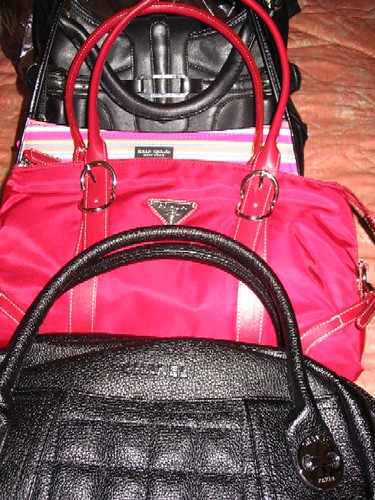 "Spanish police arrested five Pakistani men on suspicion of trafficking fake luxury goods and forcing people to work in illegal conditions.
Police say the gang was distributing around 2,500 fake items a day.
Clothing and accessories were made in Asia and imported to Spain to be "finished" and have fake designer labels attached. Police say the falsified brands included Burberry, Carolina Herrera and Chanel.
Police said in a statement Wednesday that the gang exploited four workers in a windowless warehouse in the southern Madrid suburb of Villaverde. The statement says the men are aged between 22 and 45 years old."
Photo Credit
Via Houston Chronicle
Danger of Fake Football Fan Gear
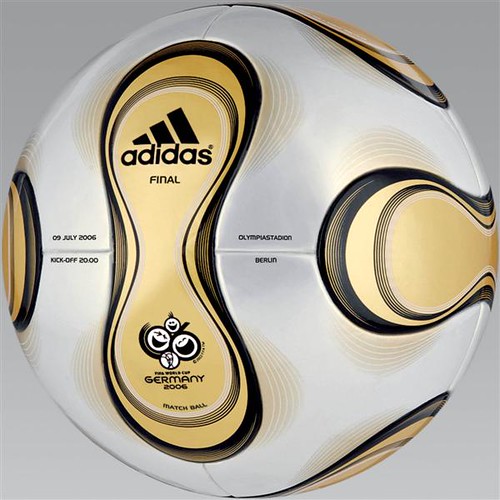 "Up to a fifth of the club replica shirts worn by fans at this month's Champions League, FA Cup final and Championship and League One and Two playoffs are likely to be fakes - but potentially sporting a serious or even deadly hidden danger.
Research shows a fifth of Britons buy fake goods - but one of the world's leading textile testing organisation is warning of a hidden danger in the estimated GBP500 million worth of fake football shirts that will be sold in the UK in 2008.
Manchester-based Shirley Technologies Limited (STL), which tests textiles for manufacturers worldwide, says that while the consumer's first thought is to bag a branded - if unlawful - bargain fake shirt from a market stall or online, the risk is not to the wallet, but to the health of thousands of people.
"Within days of Manchester United and Chelsea confirming their places in the Champions League final, unofficial merchandise - including shirts - was plain to see on TV coverage of fans at games on the Bank Holiday weekend," said Phil Whitaker of Shirley Technologies.
"There is no way the unofficial shirts could be fully tested in the period between the semi-finals and them first appearing. A fake sports shirt, no matter how convincing it looks, can contain a huge range of hidden dangers for the buyer and wearer - and be a death sentence for the maker.
"Only a few weeks ago, we saw the effect of an allergic reaction one woman had to underwear she bought from a high street store - and while something clearly did slip the textile testing net, it is unlikely that such a big name would buy from questionable sources.
"We test textiles and clothing for the major brands and retailers, and we know that some of the counterfeit shirts that will find their way into the possession of football fans are simply not tested for harmful content.
"A genuine branded shirt will be tested for its pH value - how much of an irritant the material can be, for harmful dyes - which may be allergenic or even carcinogenic, for extractable heavy metals - cadmium and chromium, and organo tin compounds and so on.
"That sort of content may show itself in a low profile way as a skin irritant to the wearer - or could possibly spark an allergic reaction in the worst cases.
"But as the consumer becomes more and more aware of organic and ecological issues, the key point is that the makers - and we have seen stories about illegal sweatshops on the Indian sub-continent - are exposed to a deadly chemical cocktail, all day every day, to produce uncertified and unofficial sports club merchandise.
"Many of these chemicals are shortcuts, and so too are the methods used to dispose of them as part of the manufacturing process: straight into watercourses and lakes.
"That is the extent of the hidden danger of counterfeit sports shirts," said Phil Whitaker.
(STL) is a UKAS (United Kingdom Accreditation Service) accredited laboratory providing competitive, independent, expert textile testing, certification, advisory and investigation services across the traditional and specialist textile industries.
STL is an independent subsidiary of BTTG Ltd, formerly the British Textile Technology Group. With more than 80 years experience, Shirley Technologies Ltd provides unrivalled and expert reassurance through its technical services to a global network of clients which include manufacturers, retailers, the legal profession, police, consumers and related interest groups including Trading Standards. Highly qualified and experienced technical staff work directly with clients to ensure that they receive the best advice and service in a wide range of technical areas."
Via M2 PRESSWIRE
Photo Credit
Tuesday, April 1, 2008
Fake Heparin Kills 19, Is Recalled
 Often times, when considering the issue of fake pharmaceuticals, consumers like to believe that their own countries' stringent medical regulatory system prevent fakes from getting in their supply chain. Walt Bogdanich of the New York Times, who broke the 2007 story of counterfeit cough syrup being responsible for the deaths of 120 Panamanians, has broken a new story that should make those in the EU and America sit up straighter.
Counterfeit heparin.
Heparin is a blood thinner often used in surgery and dialysis, and this year, the United States Food and Drug Administration linked contaminated versions of the thinner to 19 deaths. After much testing, the truth came out--the heparin wasn't heparin at all, but a counterfeit attempting to mimic the effects of the real thing, with tragic results.
Bogdanich writes:
"What a difference a year makes.
After many near misses and warning signs, the heparin scare has eliminated any doubt that, here and abroad, regulatory agencies overseeing the safety of medicine are overwhelmed in a global economy where supply chains are long and opaque, and often involve many manufacturers.
“In the 1990s governments were all about trying to maximize the volume of international trade,” said Moisés Naím, editor in chief of Foreign Policy magazine and author of “Illicit: How Smugglers, Traffickers and Copycats Are Hijacking the Global Economy.” “I’m all for that, but I believe this decade is going to be about maximizing the quality of that trade, not quantity.”
Mr. Naím said the heparin scare is already having a “huge” impact, fueling worldwide anxiety over imported medicine and a growing demand for consumer protection."
In addition to the Times article, Sue Hughes of Medscape writes that 350 adverse reactions to Baxter (the company which produces the heparin) products have been reported, with at least 40% considered serious.Read the full New York Times article here
FDA Recalls Heparin
For questions contact Baxter Inc.
Bad Drugs at a Pharmacy Near You
Photo Credit
Monday, March 3, 2008
Mayor Bloomberg Orders Counterfeit Triangle Closed

Those who believe Canal Street's abundance of counterfeits are a permanent fixture may be surprised to learn that the infamous "Counterfeit Triangle" has been disbanded, as 32 shops were ordered shut last Tuesday in a series of major civil lawsuits. Mayor Michael Bloomberg noted that the operation was one of his "biggest takedowns ever," calling the profits from counterfeiting "easy and sleazy."
After an undercover investigation spanning 40 shopping sprees, over $1 million in counterfeit goods were seized.
“Whoever you are, wherever you are, we are going to shut you down,” Mayor Bloomberg said at a news conference in the main hall of a mall on Canal St which housed some of the alleged offenders. Speaking among clear plastic bags chock full of hundreds of the confiscated counterfeits, Mr. Bloomberg spoke of money laundering and bloody gang wars over prime counterfeiting turf.
"It is organized crime," he said of counterfeiting--which saps $1 billion in taxes from Manhattan per year.
To read more about the takedown, visit the NYT "City Agents Shut Down 32 Vendors of Fake Items."Thursday, February 21, 2008
In the future, UK web pirates may be banned from net
 Britons who illegally download mp3s or movies may have their internet rights revoked if legislative proposals introduced this week are passed. The new laws would require ISPs, or Internet Service Providers, to take legal action against any users known to be downloading, The Times of London reports.
The proposed policy follows the "three strikes you're out" mantra; Net users would be given a warning for the initial offense, a suspension of their contract for the second, and a compelet dissolution of their internet contract on the third illegal download. The government is also considering taking legal action against any ISPs who don't adhere to this policy.
With a piracy market reaching over 21.6 Billion GBP per year, talks between ISPs, the government, and the record industry have been ensuing for years.
“We welcome the signal from Government that it values the health of the creative industries and takes seriously the damage caused by widespread online copyright infringement," says
Roz Groome, vice-president of anti piracy for NBC Universal. "We call upon ISPs to take action now. They must play their part in the fight against online piracy and work with rights owners to ensure that ISPs’ customers do not use their services for illegal activity. Piracy stifles innovation and threatens the long term health of our industry.”
Personally, we feel there are so many innovative legal ways to get your music we don't see the point of risking it by going the other way. Free sites like Musicovery or Pandora allow users to create innovative playlists based on mood, song/artist preference, or even tempo. And companies such as eMusic sell records long since out of rotation, many of which are so obscure iTunes doesn't carry them. Even the structure of the record industry is changing, with the guys at Engadget and Downtown records launching Rcrd Lbl, an online resource that gives you the music free while still offering payment to the artists.
Photo Credit
Tuesday, February 5, 2008
Canadian Authorities Seize Counterfeit Hair Irons

Much is done in the name of beauty. But using counterfeit hair irons to look chic on the cheap? Authorities in the Quebec City region of Canada say some consumers unwittingly did just that; the police announced a seizure of 4,500 fake hair straightening irons last Tuesday. The raid was held on January 15 after a months-long investigation beginning in March 2007.
Click here to read the full story on our Style Blog, and find out why the effects of fakes on the fritz are not so beautiful.
Photo Credit
First Arab Anti-Counterfeiting Consumer Forum

The first Arab Consumer and Brand Protection Forum (ACBPF) has been planned by Saudi Arabian consumer organization Hemaya Universal. It was announced at the opening of the 4th Global Congress on Combating Counterfeiting and Piracy, a summit which will continue until February 5.
The 4th Global Congress on Combating Counterfeiting and Piracy was held by the World Customs Organization and Dubai Customs, and also attended by the International Chamber of Commerce (ICC), INTERPOL, the World Intellectual Property Organization (WIPO), the International Trademarks Association (INTA) and the International Security Management Association (ISMA).
ACBPF will take place in Jeddah on 19-22 of October 2008, with attendance by HRH Prince Khalid Al-Faisal bin Abdul-Aziz Al Saud, the Governor of Makkah. "The Arab League has aligned its efforts with Hemaya Universal to host the conference as a first step towards efforts to combat the epidemic of counterfeiting," said Assistant General Secretary of the Arab League for Economic Affairs Dr. Mohammed Bin Ibrahim Al-Tuwaijri.
"Hemaya has courageously begun to protect consumers from commercial fraud, in addition to helping secure intellectual property rights in the Arab region.” he noted.
Ahmed bin Suleiman Al-Zubeidi, CEO of Hemaya Universal, noted this consumer awareness campaign is unparalleled in the Middle East, and will help raise the alarm on dangerous counterfeit goods. He emphasized that the economies of Arab nations are being threatened by counterfeits, and as this continues, forums like ACBPF are necessary.
For more information on the Forum, visit arabworldprotect.com.Monday, February 4, 2008
Las Vegas Counterfeiter Enslaves Children in Sex Trade
An anti-counterfeiting researcher forwarded The Authentics Foundation an article from 2007 which we had previously not been aware of. On March 10, 2007, Mike Tobin of the Cleveland Plain Dealer wrote a piece titled "Las Vegas man admits arranging sex tourism." It outlined the shocking case of Russell Herman, 52, who plead guilty in U.S. District Court in Cleveland "to charges he operated a business that arranged for tourists to visit brothels with underage girls in Thailand."
Immigrations and Customs Enforcement first began investigating Herman in December 2005 because of a website on which he sold counterfeit Gucci, Prada and Rolex merchandise. Investigators then realized this counterfeiter was also arranging "for tourists to have sex with girls as young as 12. Many of the girls were kept padlocked in cells unless they were having sex, according to court documents."
"The ICE agent contacted Herman and asked about the availability of girls between the ages of 10 and 14, according to court documents. Herman replied, "Thailand is a lot of fun and you'll experience some incredible things here!!!"
Another ICE agent called Herman in November 2006 and said he was interested in traveling to Thailand, where Herman was living. Herman said that for $1,000, he would take the agent to a hotel where 15-year-old girls would be brought to the undercover agent's room.
A few days later, Herman met the undercover agent and took him to several places where they were solicited for sex. Some of the girls appeared to be as young as 12, the ICE agent said in court documents."
Source: Cleveland Plain Dealer
Sunday, January 20, 2008
New York Times Editorial on Fakes
 The New York Times' editorial board has been making a lot of newsworthy decisions lately--most notably their public endorsement of Hillary Clinton. But they took another big stance this month--against counterfeits. Featured as a main editorial on January 20, "The Real Price of Fakes" is a call to arms against an ever-present and expanding counterfeit market.
"With some $200 billion worth of those pirated or counterfeited goods coming into the United States each year, already weak regulatory agencies are overwhelmed. That means that far too often the burden falls on the buyer to avoid getting stuck with, or hurt by, hazardous fakes. That is not always easy, and the horror stories in recent years have included pet food that harmed or killed hundreds of pets in the United States. More recently, counterfeit batteries have been recalled because they tend to overheat and even explode."
Read the full editorial here.
Friday, December 21, 2007
The Twelve (Horribly Fake) Days of Christmas

On the first day of Christmas,
the counterfeiters and pirates gave to me
One bootleg DVD
On the second day of Christmas,
the counterfeiters and pirates gave to me
Two exploding batteries ,
And one bootleg DVD
On the third day of Christmas,
the counterfeiters and pirates gave to me
Three fake Tickle-Me-Elmos,
Two exploding batteries,
And one bootleg DVD
On the fourth day of Christmas,
the counterfeiters and pirates gave to me
Four defective Durex condoms,
Three fake Tickle-Me-Elmos,
Two exploding batteries,
And one bootleg DVD
On the fifth day of Christmas,
the counterfeiters and pirates gave to me
Five sawdust brake pads,
Four defective Durex condoms,
Three fake Tickle-Me-Elmos,
Two exploding batteries,
And one bootleg DVD
On the sixth day of Christmas,
the counterfeiters and pirates gave to me
Six tainted tubes of toothpaste,
Five sawdust brake pads,
Four defective Durex condoms,
Three fake Tickle-Me-Elmos,
Two exploding batteries,
And one bootleg DVD
On the seventh day of Christmas,
the counterfeiters and pirates gave to me
Seven sick senior citizens,
Six tainted tubes of toothpaste,
Five sawdust brake pads,
Four defective Durex condoms,
Three fake Tickle-Me-Elmos,
Two exploding batteries,
And one bootleg DVD
On the eighth day of Christmas,
the counterfeiters and pirates gave to me
Eight children a-choking,
Seven sick senior citizens,
Six tainted tubes of toothpaste,
Five sawdust brake pads,
Four defective Durex condoms,
Three fake Tickle-Me-Elmos,
Two exploding batteries,
And one bootleg DVD
On the ninth day of Christmas,
the counterfeiters and pirates gave to me
Nine computers-a-crashing,
Eight children a-choking,
Seven sick senior citizens,
Six tainted tubes of toothpaste,
Five sawdust brake pads,
Four defective Durex condoms,
Three fake Tickle-Me-Elmos,
Two exploding batteries,
And one bootleg DVD
On the tenth day of Christmas,
the counterfeiters and pirates gave to me
Ten extension cords a-blazing,
Nine computers-a-crashing,
Eight children a-choking,
Seven sick senior citizens,
Six tainted tubes of toothpaste,
Five sawdust brake pads,
Four defective Durex condoms,
Three fake Tickle-Me-Elmos,
Two exploding batteries,
And one bootleg DVD
On the eleventh day of Christmas,
the counterfeiters and pirates gave to me
Eleven erroneous diabetic testing strips,
Ten extension cords a-blazing,
Nine computers-a-crashing,
Eight children a-choking,
Seven sick senior citizens,
Six tainted tubes of toothpaste,
Five sawdust brake pads,
Four defective Durex condoms,
Three fake Tickle-Me-Elmos,
Two exploding batteries,
And one bootleg DVD
On the twelfth day of Christmas,
the counterfeiters and pirates gave to me
Twelve fire extinguishers malfunctioning,
Eleven erroneous diabetic testing strips,
Ten extension cords a-blazing,
Nine computers-a-crashing,
Eight children a-choking,
Seven sick senior citizens,
Six tainted tubes of toothpaste,
Five sawdust brake pads,
Four defective Durex condoms,
Three fake Tickle-Me-Elmos,
Two exploding batteries,
And one bootleg DVD
Brought to you by the U.S. Chamber of Commerce.
Well, ladies and gentleman. It's been a mad, mad year of fakes. Here's hoping you bought authentic this holiday season. You wouldn't want that Christmas tree or Hanukkah bush a-kindling because of cheap lights.
Happy holidays!
Photo credit
Wednesday, December 19, 2007
PICA Seizes $10 Million in Counterfeits, Linked to Cleveland Drug Trade
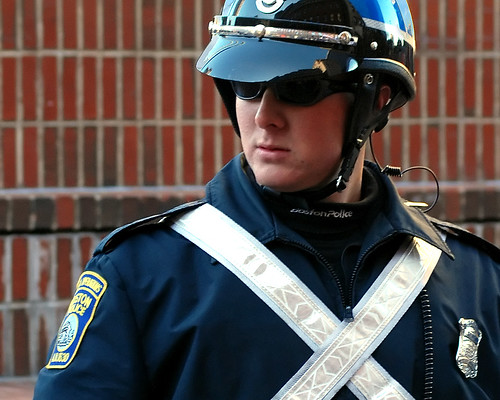 The PICA Corporation, along with the FBI and ICE, have closed a one year investigation on Cleveland based retail stores proved to be selling counterfeit goods. On December 3, 2007, search warrants and cease and desist orders were issued to five 360 Clothing Studios and one store named Jazzy Looks.
Among the $10 million dollars of seized counterfeit products were also drugs and stolen property. 200 pounds of marijuana and two kilos of cocaine were found with 25,000 pairs of counterfeit shoes and 40,000 pieces of copycat apparel.
"The 360 Clothing Studios were one of the largest suppliers of counterfeit footwear and apparel in the greater Cleveland area. They attempted to legitimize counterfeit product by introducing it into retail stores in the area," said Tim Richissin, PICA operative.
The crime ring of ten people was charged with drug trafficking, burglary, receiving stolen property, weapons violation, trademark counterfeiting and criminal simulation.
Photo Credit
Monday, December 17, 2007
UN Ties Counterfeits to Organized Criminals
 Long have experts been linking the multi-billion dollar counterfeiting enterprise with organized crime across the world. The latest political leader to address this serious concern is Sandro Calvani, director of the U.N. Interregional Crime and Justice Research Institute, who just compiled a report calling counterfeits a "21st century gold mine" for criminals who exploit trade routes also used in the drug trade, gun running and human trafficking.
"It is an immense source of profits which are readily reinvested in other illegal activities or used to launder money derived from other crimes," said Calvani.
The UN report discussed links between counterfeit CDs, DVDs, luxury goods and electronics and gangs including the Camorra in Naples, mafia in Russia, as well as Japanese Yazukas.
Read more about the UN report here.
Tuesday, November 13, 2007
Fake Contraception Poses Risks, say Authorities
Hundreds of allegedly fake condoms have been found and seized by officials in the United Kingdom this week. The fakes, which fall under the jurisdiction of Lambeth council in South London, are three-packs falsely branded as Durex. They pose a huge risk to consumers, as they are more likely to tear and can otherwise be unreliable.
"These counterfeits cannot be relied upon to protect people against sexually transmitted diseases and unwanted pregnancy," says Lib Peck, cabinet member for environment and culture.
Trading officials have not released a list of where such fakes might be sold, simply saying that shops in Brixton and Herne Hill have been raided. Consumers are urged to check the serial number on the product, and remain aware of the issue.
"These counterfeits cannot be relied upon to protect people against sexually transmitted diseases and unwanted pregnancy," says Lib Peck, cabinet member for environment and culture.
Trading officials have not released a list of where such fakes might be sold, simply saying that shops in Brixton and Herne Hill have been raided. Consumers are urged to check the serial number on the product, and remain aware of the issue.
Monday, November 5, 2007
New Educational Website Fights Pirates
 Microsoft has added a new element to their ongoing effort to fight fakes--an educational website to help consumers. In addition to suing 20 alleged pirates in 13 states as part of their continuing "Genuine Software Initiative", the industry giant has created www.howtotell.com, which helps their customers spot counterfeits.
How to Tell provides a rich amount of content aimed at enabling customers with the right information about identifying pirated software. Among its pages are tips on what to avoid and answers to common questions. The most interesting element of the website, though, is its gallery of recently seized fakes, which can provide a laugh about the design of phony software and helpful examples for you to match your own products against. Most importantly, How to Tell allows customers to report fakes.
In 2006 alone, the U.S. lost $7.3 billion to software pirates, among $40 billion lost overall in 102 countries, according to researcher IDC. This same study, sponsored by the Business Software Alliance, indicates 21% of all PC software is pirated.
With their "Genuine Software Initiative," Microsoft has been a leader against piracy since its infancy--though generally their pursuit of the issue has involved tracking down counterfeiters. How to Tell allows them to reach out to software consumers and raise awareness about the issue.
Thursday, October 25, 2007
ACTA Mandate to Stamp Out Fakes
The fight for protection of intellectual property continues this week, with the U.S., European Commission and others banding together to announce their part in the Anti-Counterfeiting Trade Agreement (ACTA). Current trading partners discussing the issue so far include Canada, the EU (27 member states from the United Kingdom to Lithuania), Japan, Korea, Mexico, New Zealand and Switzerland.
“Global counterfeiting and piracy steal billions of dollars from workers, artists and entrepreneurs each year and jeopardize the health and safety of citizens across the world,” said U.S. Trade Representative Susan C. Schwab in a statement. “The
ACTA will focus on three main areas--international cooperation, optimal practices, and strengthening the framework for IP enforcement.
International cooperation: Countries across the globe already coordinate anti-counterfeiting efforts, but having set standards in ACTA would help streamline all efforts. "These standards would then be spread to other countries if they wished to sign up to ACTA," reads the release from the European Commission in Brussels. "The EU has proposed transitional mechanisms and technical assistance to help advanced developing countries join the pact in the future."
Practices: The goal here is to establish "common enforcement practices" so that the promotion of intellectual property is strengthened. As one can gather by recent news reports, the European Union is increasing pressure on countries like China to actually enforce the anti-counterfeiting legislation they have scripted. "Closer coordination," says the EU, can only help this process.
Legal framework: In addition to coordinating enforcement rules, ACTA aims to create "a strong modern legal framework which reflects the changing nature of intellectual property theft in the global economy" including the problems posed by the ease of digital piracy, and ever-increasing threat on unhealthy counterfeit pharmaceuticals and food.
Monday, October 22, 2007
Job Losses to Counterfeits
Fakes don't just cost companies revenue--they cause job losses and take money from your local economies:
According to the Straits Times, "International lawyers want more action against fake goods worldwide, as fakes improve in quality and with no dwindling of counterfeiters in sight.
Read the rest of the story here
According to the Straits Times, "International lawyers want more action against fake goods worldwide, as fakes improve in quality and with no dwindling of counterfeiters in sight.
At yesterday's International Bar Association (IBA) conference session at Suntec City on measures to combat counterfeiting and piracy, delegates spoke strongly about the issue - one seen as not only an economic threat but also involving serious safety, health and environmental concerns.
A global IBA survey on counterfeiting involving 39 countries is under way. It will be presented at next year's conference in Argentina.
The fake goods, ranging from boutique bags to designer clothes and other high-tech goods, take up between 5 and 7 per cent of the global trade, said Mr Clive Elliot, who is spearheading the survey.
The lack of enforcement action 'remains the rule rather than the exception' and the purpose of the survey is to identify key challenges and draw up a set of guidelines to use globally, he added.
Part of the allure for counterfeiters was in the cash windfalls to be made.
Canadian counsel Ira Nishisato pointed out that profit margins in the industry was 1,100 per cent compared to 300 per cent for heroin, citing a Motion Picture Association report.
Delegates also heard some 250 million such products were seized in the European Union countries alone last year, up from 75 million in 2005.
Fakes caused losses of between 120 billion euros ($250 billion) and 270 billion euros a year worldwide and some 200,000 European jobs."
Read the rest of the story here
Court orders destruction of fake Honda engines
 Philippines--RTC Judge Roberto Chiongson has ordered the destruction of 22 faker Hondo general purpose engines. Chiongson issued search warrants against three business owned by Jose Zulueta in Bacolod and Iloilo, establishments raided in 2005 by the National Bureau of Investigation. As the month of October is Intellectual Property Rights month in the Philippines, Honda officials made public speeches concerning the importance of IP to students at the De La Salle University.
Honda's legal counsel--including Brigido Valmadrid highlighted anti-counterfeiting policies in Asia and the Philippines at the lecture, emphasizing the dangers of buying and using inferior products.
Before the destruction of the counterfeit engines, Honda held a presentation on how to spot a fake engine from the genuine product. Honda noted that counterfeit auto parts can cause fatalities--just one of many reasons why we should all steer clear and purchase through reputable channels.
Source
Photo Source
Friday, October 19, 2007
Pharmaceutical Updates
- Report: Counterfeit HIV/Aids Meds Flood Zimbabwe (Rod 2.0)
- New Tech Can Identify Counterfeit Drugs in Minutes (News Medical)
- Massive Counterfeit Drug Ring Cracked (in-Pharma)
- Most Hoodia Diet Pills are Fake, Study Says (PMC)
- Lawmakers Debate Import Safety, How to Stop Counterfeits (FDA News)
- As Counterfeit Medicines Reach Local Chemists, Are You At Risk? (Daily Mail)
- Vioxx Users Seek Company Help, Drug Companies Battle Counterfeits (NJ.com)
- Counterfeit Drugs Kill (The American)
Wednesday, October 17, 2007
Tech Roundup
- Look Alikes of Cell Phone Brands Flood Stores (Daily Star)
- Microsoft: Long Way to Go on Counterfeit Software (ZD Net)
- Counterfeit DVDs Less Than a Deal (The Star)
- iPhone Knockoffs Steal Sales in Asia (MacDailyNews)
- Comment: Knock off the Asian knockoffs (EE Times)
- Nokia Moves to Counter Fake Batteries (Business Daily)
Tuesday, October 9, 2007
Girl Who Came to U.S. for School Busted at Illegal Sweatshop (NY Daily News)
 16-year-old Letitia Clemente left her parents corn farm in Mexico last year to learn English in America. She soon became one of 11 workers working 10-hour-days sewing counterfeit Izod, Fubu and NFL gear just to make ends meet. Meanwhile, the counterfeiters running the operation--Jung Ryu and his wife Ji Yung Ryu--sat comfortably in a $1.5 million home in Melville, Long Island. Read what happened to their College Point Factory here.
Tuesday, October 2, 2007
Wednesday, September 5, 2007
news roundup, ed. 9

- Nokia Blames Counterfeits (The Telegraph)
- Fake Anti-Malarials Hit the Market (The East African)
- Johnson & Johnson and the Case of Diversion Diversion (PharmaFraud)
- 3 Steps to Avoid Fake Meds Online
- iPhone nano?
- China Steps up Efforts to Cleanse Reputation (New York Times)
- Counterfeit Viagra from China Prompts Warnings in India (Earth Times)
- Helping Patients Avoid Counterfeit Drugs Over the Internet (FDA)
- China Jails Man Who Sold Fake J&J Diabetes Test Strips (Bloomberg)
- Fake Medications are a Growing Threat (U.S. News & World Report)
Cheap Chocolate Will Cost Your Appetite
Most people would probably agree with me in saying that while premium chocolates are divine, a good cheap candy bar now and then is a life necessity.
Then again, I am willing to sacrifice a few extra bills to keep worms out of my chocolates--the appalling truth South Korean consumers were welcomed by after unwrapping 'Made in China' chocolates this week.
Right now, we're loving Sir Hans Sloane chocolates of London, an exclusive brand that makes premium organic blends of our favorite confection.

Then again, I am willing to sacrifice a few extra bills to keep worms out of my chocolates--the appalling truth South Korean consumers were welcomed by after unwrapping 'Made in China' chocolates this week.
Right now, we're loving Sir Hans Sloane chocolates of London, an exclusive brand that makes premium organic blends of our favorite confection.
"Before Models Can Turn Around, Knockoffs Fly"
With the design piracy bill in America being introduced in the Senate, knockoff fashion has been getting a lot of press. The New York Times just ran a story on the effect technology, which has increased the ease of quickly copying a garment, has had on the fashion industry.
--------------------
Excerpt:
“For me, this is not simply about copying,” said Anna Sui, one of more than 20 designers who have filed lawsuits against Forever 21, one of the country’s fastest-growing clothing chains, for selling what they claim are copies of their apparel. “The issue is also timing. These copies are hitting the market before the original versions do.”
--------------------
Full Story Here

--------------------
Excerpt:
“For me, this is not simply about copying,” said Anna Sui, one of more than 20 designers who have filed lawsuits against Forever 21, one of the country’s fastest-growing clothing chains, for selling what they claim are copies of their apparel. “The issue is also timing. These copies are hitting the market before the original versions do.”
--------------------
Full Story Here
Reactions to Dana Thomas' New York Times Piece
After publishing "Terror's Purse Strings," an op-ed where Newsweek's Dana Thomas discussed the paramilitary connection to counterfeiters, the New York Time's received some interesting responses. Be sure to check out Thomas' new book, Deluxe: How Luxury Lost Its Lustre, now out in bookstores.
To the Editor:
In ''Terror's Purse Strings'' (Op-Ed, Aug. 30), Dana Thomas says the counterfeit handbags for sale here may have been made by child laborers in China .
I live in Westport, Conn., where ownership of the correct handbag is essential, and I'm lucky enough to be able to afford it. But each season, as I walk the Marc Jacobs or Prada to the register, I look at the price tag, become queasy and just say no.
I am an admitted hypocrite who goes in for designer furniture and status automobiles. These luxury items are used for at least several years, so I somehow rationalize their purchase. The designer bag is used for one season and then its panache is no more.
Perhaps Ms. Thomas can help more directly by creating a new movement -- call it the ''re-use last year's handbag movement.'' For one season, we don't buy a bag. (Hey, we're breadwinners, give birth and raise children -- so we can handle the self-deprivation. )
Then we donate the price of a new bag ($800 to $4,500) to a charitable group that focuses on Chinese child laborers. That may do a lot more good than running out to buy original Gucci bags.
Westport, Conn., Aug. 30, २००७
-----------------------------------------
To the Editor:
As the quality of luxury goods diminishes, how much difference is there between the fakes and the real things? No wonder shoppers willingly admit to buying fakes.
I certainly don't want to support terrorists, but as designers try to make more and more money by cutting costs the prices border on extortion -- not that anyone ''needs'' a designer label।
Nutley, N.J., Aug. 30, २००७
-----------------------------------------
To the Editor:
Dana Thomas says ''counterfeiting rackets are run by crime syndicates that also deal in narcotics, weapons, child prostitution, human trafficking and terrorism.''
But as the Wal-Mart phenomenon has illustrated, everyone likes a bargain and for the most part is disinterested in the source of production.
With the profits of the big designers bordering on the usurious, and constant media images of glamorous women toting expensive designer bags, the idea of owning a few is, of course, rather seductive. Yet women might be persuaded not to buy the counterfeit bags if the real ones were not so ridiculously expensive.
It comes down to a purely economic choice: $20 for a rip-off or hundreds for the real thing?
Valparaiso, Ind., Aug. 30, २००७
-----------------------------------------
To the Editor:
In ''Terror's Purse Strings'' (Op-Ed, Aug. 30), Dana Thomas says the counterfeit handbags for sale here may have been made by child laborers in China .
I live in Westport, Conn., where ownership of the correct handbag is essential, and I'm lucky enough to be able to afford it. But each season, as I walk the Marc Jacobs or Prada to the register, I look at the price tag, become queasy and just say no.
I am an admitted hypocrite who goes in for designer furniture and status automobiles. These luxury items are used for at least several years, so I somehow rationalize their purchase. The designer bag is used for one season and then its panache is no more.
Perhaps Ms. Thomas can help more directly by creating a new movement -- call it the ''re-use last year's handbag movement.'' For one season, we don't buy a bag. (Hey, we're breadwinners, give birth and raise children -- so we can handle the self-deprivation. )
Then we donate the price of a new bag ($800 to $4,500) to a charitable group that focuses on Chinese child laborers. That may do a lot more good than running out to buy original Gucci bags.
Westport, Conn., Aug. 30, २००७
-----------------------------------------
To the Editor:
As the quality of luxury goods diminishes, how much difference is there between the fakes and the real things? No wonder shoppers willingly admit to buying fakes.
I certainly don't want to support terrorists, but as designers try to make more and more money by cutting costs the prices border on extortion -- not that anyone ''needs'' a designer label।
Nutley, N.J., Aug. 30, २००७
-----------------------------------------
To the Editor:
Dana Thomas says ''counterfeiting rackets are run by crime syndicates that also deal in narcotics, weapons, child prostitution, human trafficking and terrorism.''
But as the Wal-Mart phenomenon has illustrated, everyone likes a bargain and for the most part is disinterested in the source of production.
With the profits of the big designers bordering on the usurious, and constant media images of glamorous women toting expensive designer bags, the idea of owning a few is, of course, rather seductive. Yet women might be persuaded not to buy the counterfeit bags if the real ones were not so ridiculously expensive.
It comes down to a purely economic choice: $20 for a rip-off or hundreds for the real thing?
Valparaiso, Ind., Aug. 30, २००७
-----------------------------------------
Subscribe to:
Posts (Atom)


 Posts
Posts

